
Login
Log in if you have an account
Please note: If your account was stored on our previous platform, you will need to re-register. We apologize for the inconvenience.
Dont have an account? Register
Our Taiwan Indigenous Wild Teas: White, Yellow, and Brown
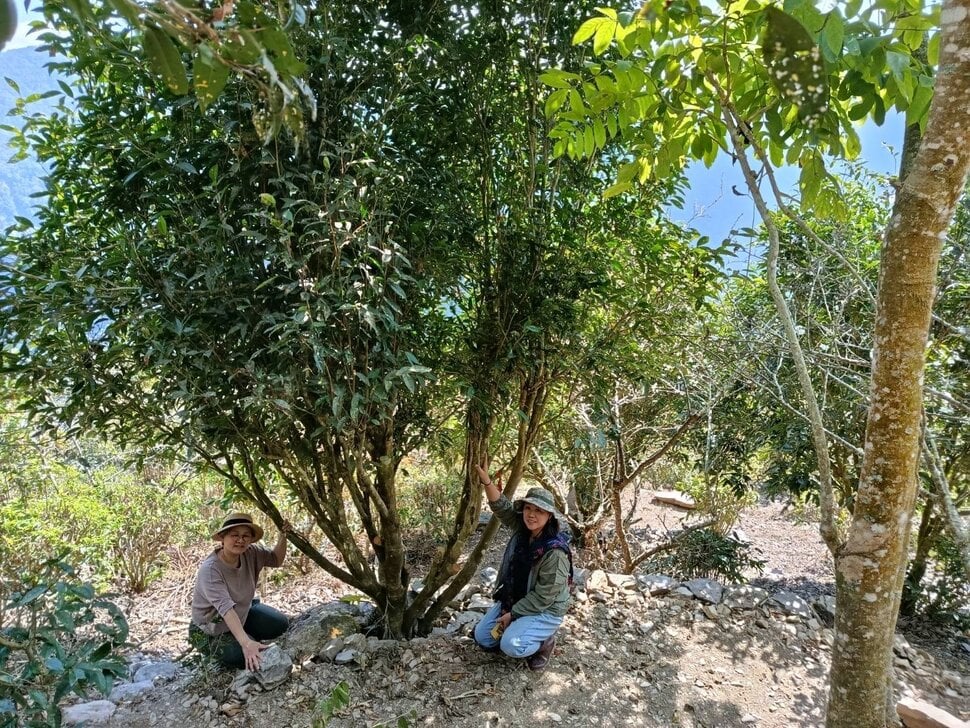
Somehow it's already October 2026, nearly half a year from when Chih Hui 智慧, our tea buyer, hosted special tea tastings of native, wild Taiwan tea from farmers of the Baoshan Tribe in Kaohsiung that she visited early this year. Unique from Camellia sinensis species originally imported from China, this Taiwan indigenous wild tea has larger leaves and grows wild predominantly in the mountains of southern regions of Taiwan, including Kaohsiung as well as parts of Nantou and Taitung.
This native Taiwan Camellia formosensis tea can be processed into multiple types of tea, from green and yellow to red/black and oolong. We currently have three of the teas available for purchase: white, yellow, and a "brown" tea. All are also on our in-store menu to enjoy as a pot for those who prefer to try in-person instead of, or before, purchasing.
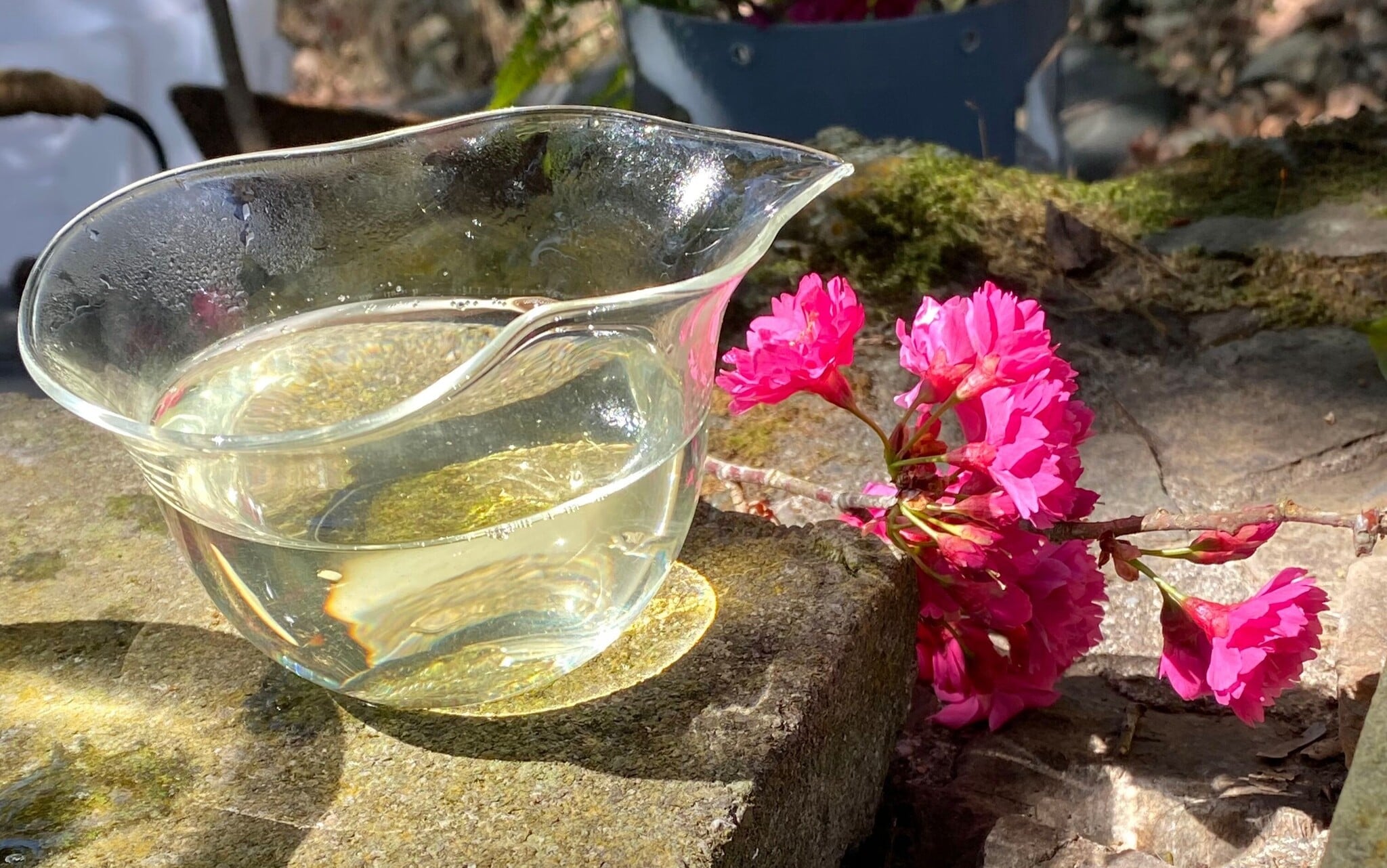
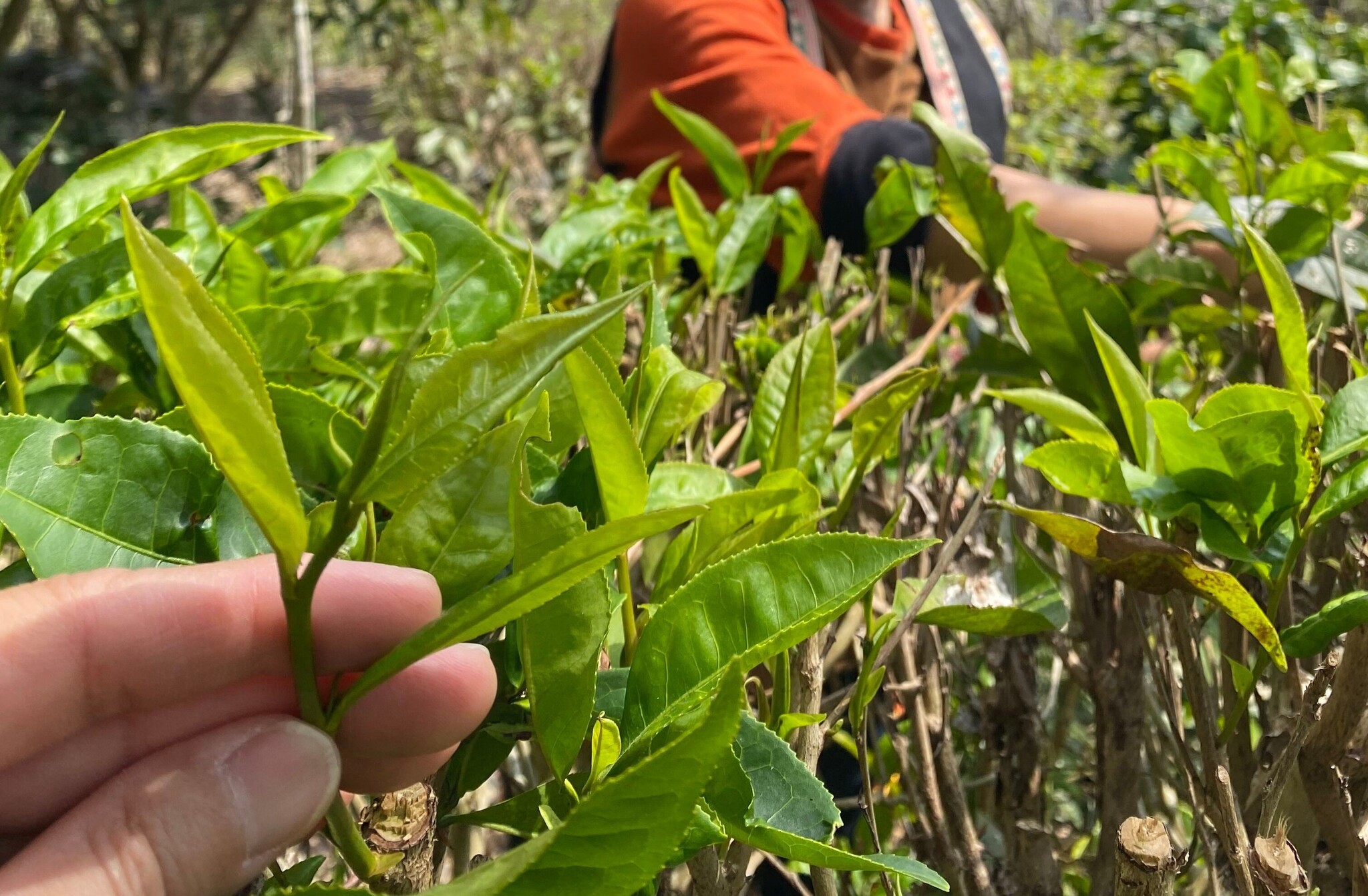
Back in the April and May tastings hosted by Chih Hui, we tasted six Taiwan native wild teas: white, yellow, "brown," as well as green, oolong, and red/black. Each is made is in small quantity, with the tea plants cultivated and harvested using natural practices, working with how nature is already shaped. The land and tea plants that these teas are made from are unlike the multi-row farms common to Taiwan's famous gaoshan cha 高山茶, or high mountain tea, from places like Ali Shan or Li Shan. Instead, there are no irrigation systems and no pesticides, and the tea plants grow wild among other native plants. There are large mother tea trees from which other tea plants have been seeded, and the farmers respect and ritually honor these mother trees. As mothers of the mountains, these trees carry deep connection with the land and have long offered nourishment and care to the people of the mountains.
Many decades ago, the Baoshan people who lived in this area would harvest the leaves of the indigenous tea plants and distribute them elsewhere to be produced as tea. Eventually some of them, including this family, decided to learn how to make tea themselves so they could have more agency in the tea-making process. We have the pleasure of witnessing and supporting their offering of these beautiful and unique teas!
At this point, you may be wondering what on earth brown tea is! Brown tea 橙茶, also known as orange tea, is made from a relatively new way of processing tea in Taiwan developed only in the last 2-3 years. With a longer withering process of over 48 hours similar to white tea, brown/orange tea is also kneaded, roasted, and more heavily oxidized than white tea, and it bears some resemblance to oolong such as Taiwan Beauty 東方美人. Part of the intention of developing this new tea processing with brown tea is to reduce energy consumption and labor by having the tea leaves spend more time withering, resulting in increased water loss of leaves that then requires shorter rolling and drying times in later stages of processing. In Taiwan, the Ministry of Agriculture's Tea and Beverage Crop Research and Extension Station hopes that production of orange tea can contribute to reducing carbon footprint and improving sustainability. Brown tea's long withering process, in addition to lower shorter processing times due to lower moisture content, also contributes to more retaining of the tea's natural flavors as well as a balanced, rounded texture.
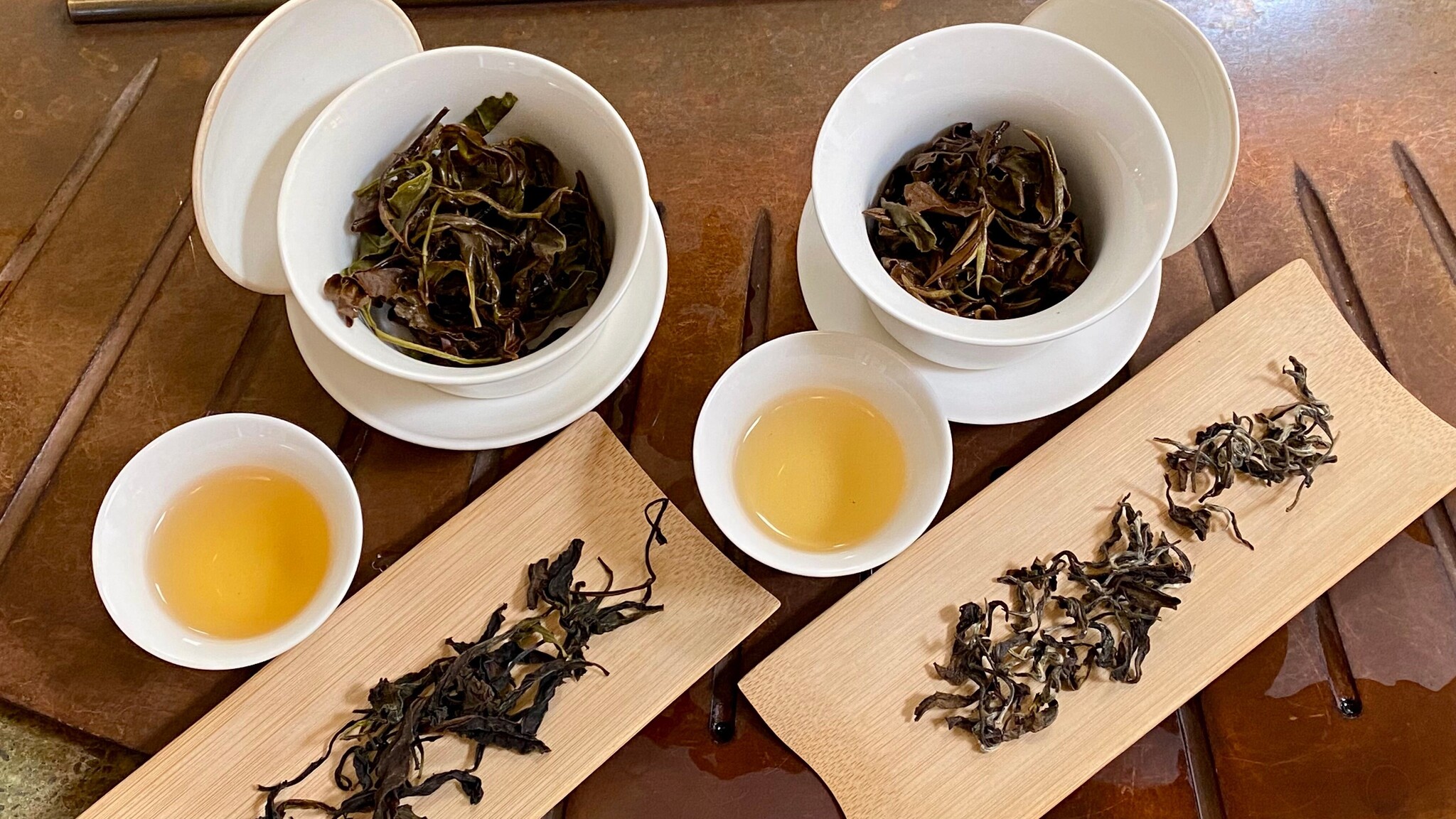
Our Taiwan Indigenous Brown Tea is a brown/orange tea made from the native tea leaf (Camellia formosensis var. yungkangensis) by the Baoshan farmers in the mountains of Kaohsiung in southern Taiwan. This brown tea is complex and full-bodied, yet gentle and smooth, with the taste becoming stronger with tasting. With a fruity floral characteristic, this tea has notes of sweet stone fruit and baked potato. The tea is also relatively forgiving when brewing.
In Taiwan, brown teas are also made from the more commonly used Camellia sinensis. They are also made in various regions of the island, just as oolong tea or white tea is made in various places in Taiwan. The variation of brown teas thus can vary greatly depending on growing environment, the leaf used, and whether the plants are cultivated bushes or wild trees. Harvested from wild native tea trees, the Taiwan Indigenous Brown Tea from the Baoshan farmers has more wild tea characteristics: complexity, well-rounded, and a bit of a wild or free energy. The photo above is from us comparing our Taiwan Indigenous Wild Brown Tea on the left to a brown Camellia sinensis tea on the right.
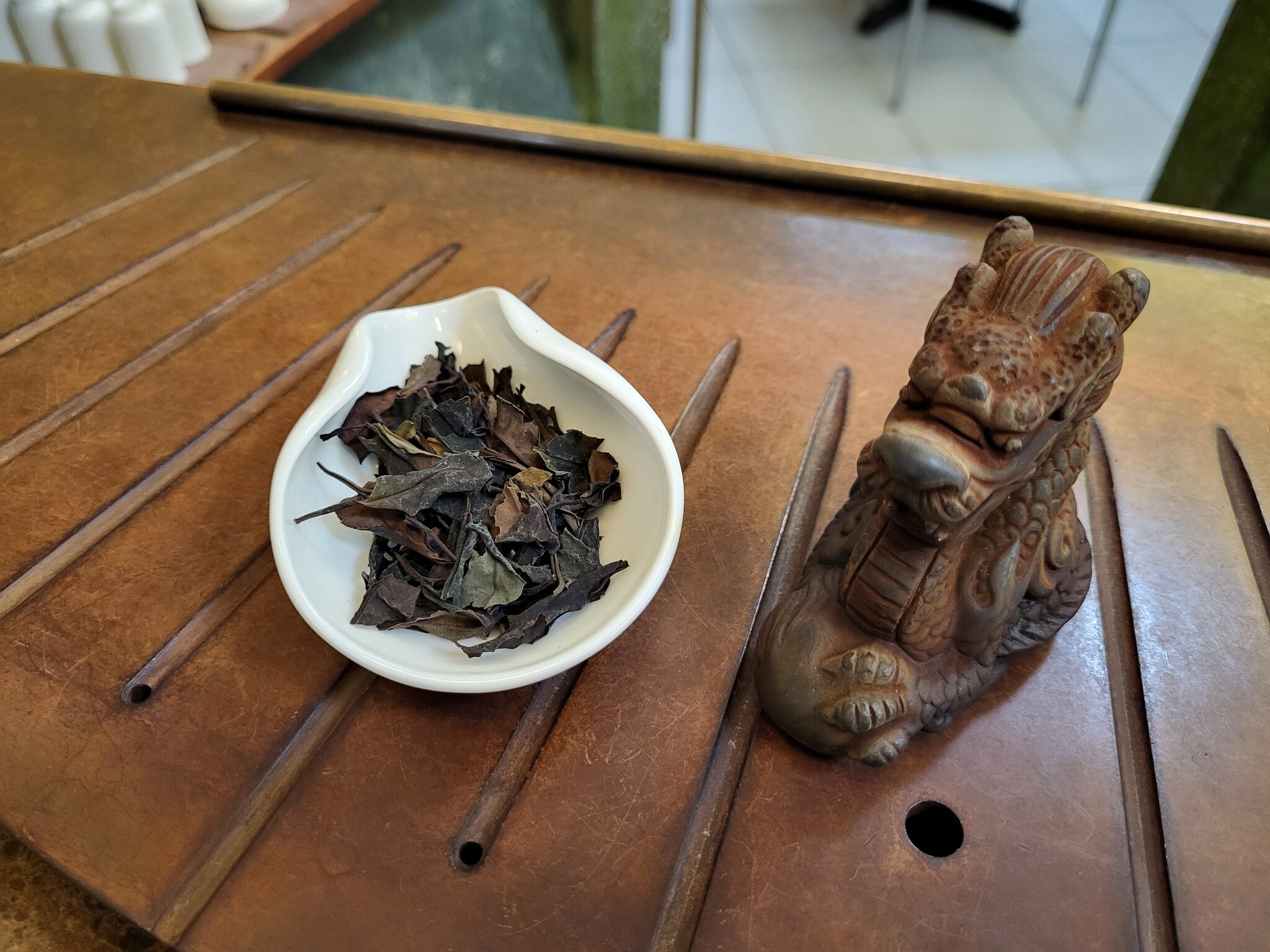
Our Taiwan Indigenous Wild white tea, pictured above, is mellow, earthy, and woody, and is lovely to steep multiple times and drink throughout the day. Well-balanced and consistent, this tea has a notable density without being sharp or overwhelming. The leaves are whole and consistently dark brown and flat, similar to the leaves of Shan Lin Xi Zheng Shan Bai Cha.
The nature of white tea is to allow and highlight its inherent qualities given its minimal steps of processing (harvesting, withering, and light heating) that differs drastically from the more complex, multi-step processing of other teas like oolong and red/black tea. This white tea brings us directly into its growing environment, reflecting the flavors, aromas, and energy of the places the mountains that are home to the Baoshan farmers.
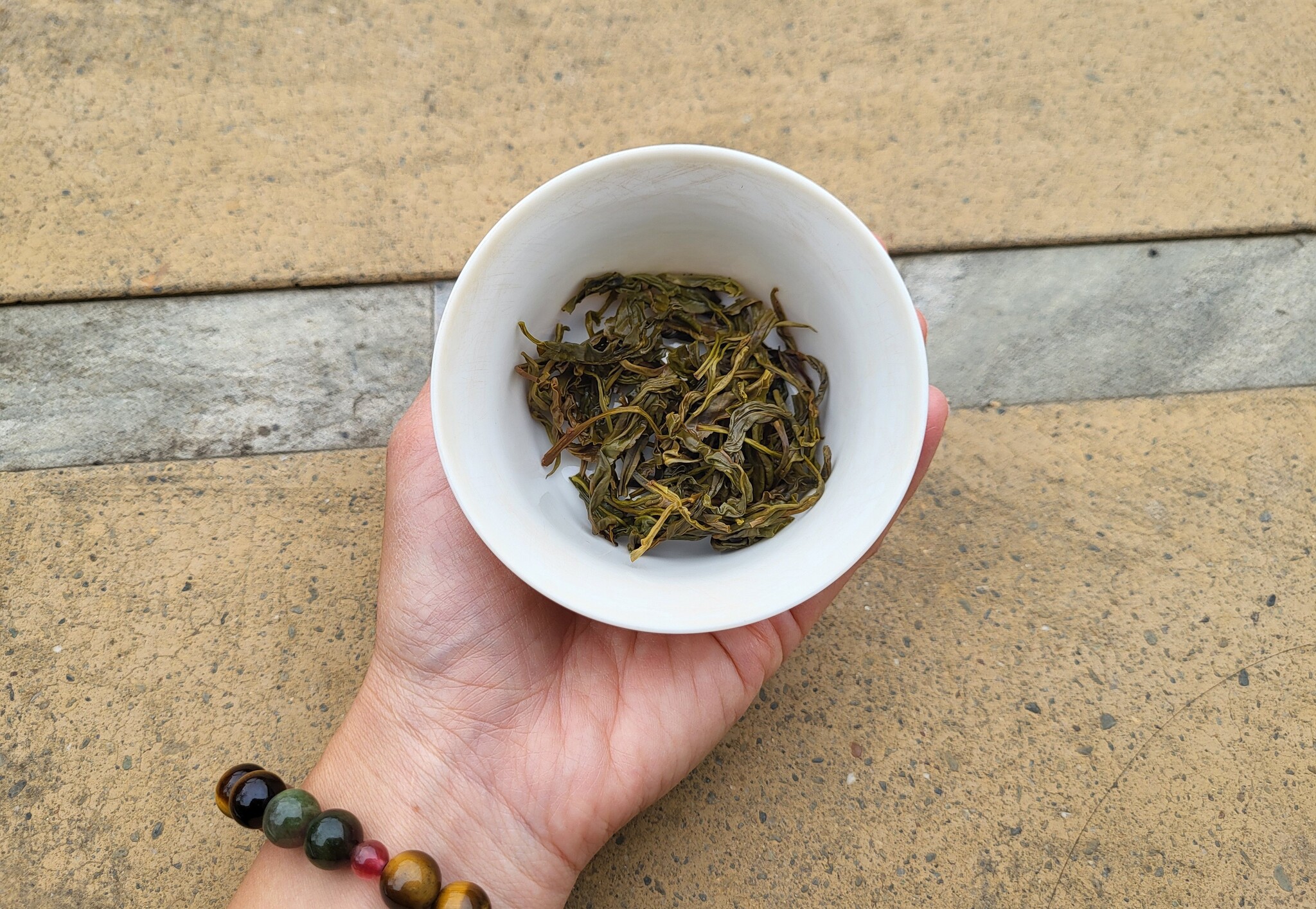
Our Taiwan Indigenous Wild Yellow tea, pictured above, is made using tea-processing techniques that originated in various regions of China, such as Anhui. Yellow tea is processed similar to green tea but requires additional "piling," or smothering, and heating/drying over charcoal fire. The step of piling yellow tea is in some ways similar to "wet piling" shu/ripe pu-erh tea, giving yellow tea its mellow, soft, and slightly fermented taste and aroma, whereas the charcoal heating adds a toasty or smoky note. These additional processing steps require a fair amount of physical labor as you can see in Teance founder Winnie Yu's short blog post from visiting our Anhui farmers in 2013!
A mix of floral and sweet with a warming, slightly fermented aroma when placed in a pre-warmed gaiwan, this Taiwan Indigenous Wild Yellow Tea is soft with a gentle, sweet smell that resembles its wild mountain environment. In some ways, the aroma resembles 2015 Ancient Tree Lao Man Er sheng pu-erh (also a wild tea), yet its taste is less sharp than Lao Man Er. And for those who enjoy our Anhui Yellow tea, we recommend giving this Taiwan Indigenous Wild yellow tea a try. Anhui Yellow tends toward nuttiness and a slight roasted note whereas this Taiwan Indigenous Wild Yellow tea tends toward notes of mung bean. We recommend letting the liquid gently linger in your mouth to feel it gradually fill your mouth.
Tea, like many things, is an integration of long-standing wisdom, creativity, and innovation that invokes the present moment. We see how both old and new tea processing techniques shape the leaves of indigenous tea trees of Kaohsiung into unique gifts from this particular mountain on the island of Taiwan. We hope this connection with the Baoshan farmers sparks something in you, whether curious, reflective, or appreciative.
Leave a comment
Recent articles
View all
Honey Jia Long: Born from Bugs and Time

Back to Basics: Plants & Water
